
December 2024 NBRPA Member Spotlights

NBRPA membership is comprised of a diverse group of former professional basketball players of the NBA, ABA, WNBA, and Harlem Globetrotters.

Each month, we'll spotlight NBRPA members from each league to recognize their career on the court as well as the impact they are now having in their communities.

Sam Stith

NBA
Samuel Elwood Stith was selected in the 1960 NBA draft by the Cincinnati Royals after a collegiate career at St. Bonaventure University. He also played in the Eastern Professional Basketball League, where in 1963 he won the league championship.

Sam Stith, a New York City native is the older brother to Tom Stith. Together, the Stith brothers helped boost St. Bonaventure basketball into the national spotlight from 1957-1960. Sam Stith was the catalyst of the defense and was the consummate “complete” player. Quick to steal the ball, he was the ultimate playmaker, team player, and leader.

Sam was inducted into the St. Bonaventure Hall of Fame in 1969, he was also selected as a member of the St. Bonaventure All-Time Team during Bona's Centennial Season. Sam was selected in the 1960 NBA draft by the Cincinnati Royals. Although he would ultimately play for his hometown New York Knicks. Stith led his team to the League Championship in 1963 during his tenure in the Eastern Professional Basketball League. 

Sam is the proud author of the book entitled, The Stith Brothers: College Basketball’s Greatest Brother Act. The book takes a deep dive into the inspiring story of basketball’s greatest brother duo, Sam and Tom Stith. Together, they scored a remarkable 53 points per game, shattered records, and made unforgettable appearances in NITs and NCAA Tournaments.

Their journey was about more than just the game — it was about breaking barriers, integrating high school and college basketball, and blazing trails for future generations. The Stith brothers' story is one of overcoming tragedy and poverty, fueled by unwavering family support, community strength, and a bond that could not be broken. 
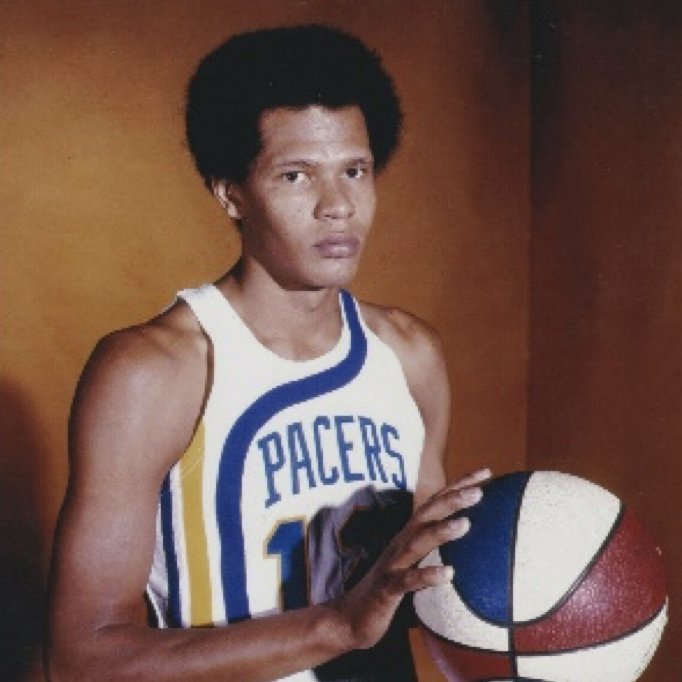
Earle Higgins

ABA

Earle Brent Higgins spent one season in the American Basketball Association as a member of the Indiana Pacers during the 1970–71 season. He played at Casper College in Wyoming and then moved on to Eastern Michigan University. He was drafted from Eastern Michigan University during the third round of the 1970 NBA draft by the San Francisco Warriors, but he did not play for them. He is the father of National Basketball Association (NBA) player Sean Higgins.

Helen Darling

WNBA
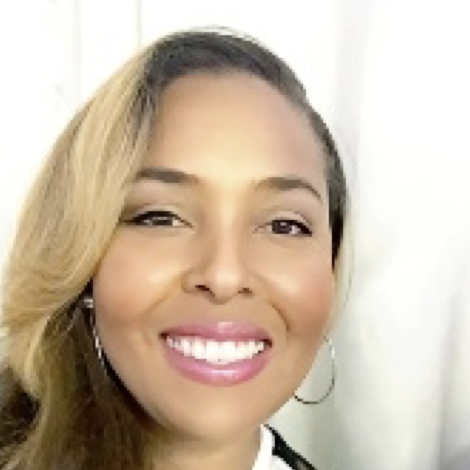
Helen Darling grew up in Columbus, Ohio, where she attended Brookhaven High School and was named a High School All-American by the WBCA. 

Over the course of her college career at Penn State University, she became the only player to amass 1,000 points, 500 rebounds, and 600 assists for her career. Darling is also the only player in Penn State history to earn Big Ten Player of the Year honors. 

A four-year starting point guard, she helped lead Penn State to their first and only Final Four appearance in 2000. Darling would go on to earn her degree in education and receive the Frances Pomeroy Naismith Award from the Women's Basketball Coaches Association as the best senior player under 5 ft 8 in 2000.

Helen was also named a Kodak All-American before playing for 10 years in the WNBA on various teams in Cleaveland, Minnesota, Charlotte, and San Antonio. 

Helen is a business owner and author of many children's books.  Her most recent books are a part of a seven-book series, titled Days of the Week, that features creative and interactive stories for its readers.  Darling also works for Nike at Nike headquarters in Beaverton, Oregon, while serving as a loyal member of the NBRPA.

Helen is the proud mother of three, triplets, sons JaJuan and Jalen, and daughter Neveah, and is a mentor to many in the Women's Basketball Community. 
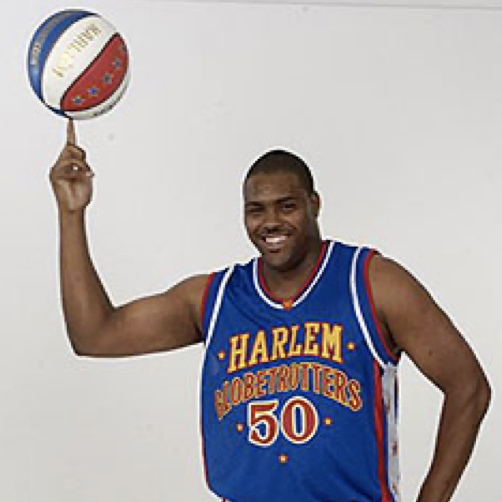
Otis Key

Harlem Globetrotters

Otis Key enjoyed a 10-year career with the Harlem Globetrotters beginning in 1998. Originally from Russellville KY, Key was an honorable mention all-district and region performer coming out of Russellville High School. Otis went to Austin Peay State University for 3 seasons before transferring to Lincoln University (MO) for his senior season. While at Lincoln University, Key was named All American after leading the MIAA in Field goal percentage and rebounding, and leading his team in scoring, assists and steals. After averaging 17 points, 13 rebounds a game he was invited to the HBCU All Star game in Atlanta where he was seen by Globetrotter scout and head coach Tex Harrison and Chad Groth. 

During his time with the Globetrotters, Key visited 40 countries and made numerous appearances as an Advanced Ambassador. Many of the highlights of his time was traveling to Australia, Greece and Beirut, Lebanon, on top of meeting numerous stars of stage, screen and television. He also enjoyed being on numerous TV programs including Nickelodeon’s Nic Gas, commercials for Burger King and Kraft Miracle Whip, and the nationally televised Macy’s Thanksgiving Day and the Hollywood Christmas parades.  He enjoyed making visits to schools and children’s hospitals across the country while promoting the Department of Education's “C.H.E.E.R.” program.

Currently, Otis is the head women’s basketball coach at Volunteer St Community College. In his 10 seasons as head coach, he has developed and coached 1 NJCAA All-American, 1 Freshman of the Year, and numerous All Conference performers.  Key has had numerous players move on to 4 year school after graduation to continue their education and playing careers. Prior to becoming the head coach at Volunteer St, Key was the head coach of the ABA’s Kentucky Bisons and led them to the championship in 2009. The Bisons boasted an overall record of 48-7 with back-to-back finals appearances with one championship. Key says his ultimate goal is to become an athletic director of a collegiate program or an executive for a NBA or WNBA franchise.
By Caleb Nixon (via ClutchPoints)

The NBRPA is as active as ever, but their goals for the future are just as exciting for basketball stars from the past to the present.

Charles “Choo” Smith, Jr., the current chairman at the National Basketball Retired Players Association, isn’t used to running a fundamental offense and competing for championships. His job was to perfect dribbling in a seated position, bouncing the ball between opponents’ legs, and of course, spinning the sphere on his finger.

The Harlem Globetrotters joined the NBRPA in 1996. Fast forward to 2023, when Smith became the first Globetrotter elected as the organization's chairman. The role involves learning more about the players, listening to their ideas and understanding their needs as they transition from high-profile athletes to everyday people.

“People make billions and billions of dollars off us playing ball,” Smith said. “When I come to a city, the hotels benefit, the restaurants benefit, the schools benefit, the mayor benefits, so think about that revenue. Right then and there, I mean something.”

This value –– referring to the social and economic benefits generated by players during their careers –– drives the current and future initiatives at the NBRPA.

By leveraging their basketball careers and the organization’s business partnerships, members are using their platforms to give back to communities, build new partnerships and raise awareness of the NBRPA.

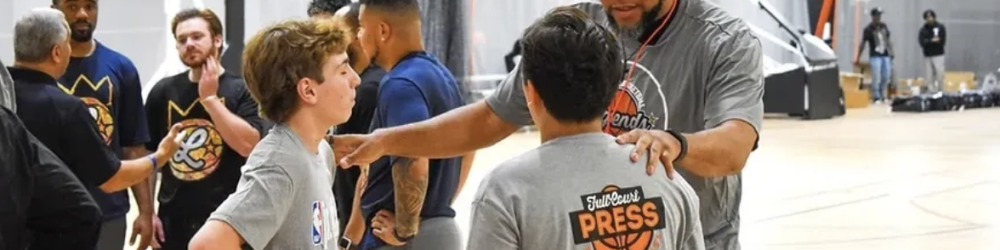
Legends Care is one initiative that Smith and the NBRPA are encouraging members to take part in. The program is dedicated to working in communities and mentoring the youth. For example, members can attend Full Court Press, a one-day basketball clinic for underserved boys and girls, ages 8 to 18, where they focus on teaching both basketball and life skills.

“Because you're a role model, you need to reach back and talk to some of these young people,” said Dave Bing, one of the NBRPA’s five founders. “They're going to go through some of the same things that we went through growing up, and you can help them not to fall into the same holes that we fell into.”

Smith wants members to help young people stay out of those pitfalls. He challenges them, especially those who thrived financially during their playing careers, to be role models by inspiring and educating the next generation.

“The biggest thing is getting in their respective communities,” Smith said, “because they have the money that they make, they have the exposure and they have the brand recognition.”

The NBRPA is also increasingly advocating for women’s basketball. Since welcoming retired WNBA players into the organization in 2013, former WNBA player and current NBRPA Director Rushia Brown is now focused on increasing membership among women.

“When the women enter the room, we bring a different dynamic as far as our ability to communicate the things that we have experienced,” Brown said.

Those varying experiences helped former President and CEO Scott Rochelle, who served until August 2024, and the NBRPA board understand how they can fully support its women.

“We really do have a tremendous number of engaged and active former WNBA players that provide feedback, information and knowledge about what their needs actually are,” Rochelle said.

Hall of Famer Nancy Lieberman is one woman who has consistently played a role in communicating those needs. Lieberman was the first woman to sit on the organization’s board and has since used her relationships to not only create partnerships, but also encourage more women to join the NBRPA.

“I spent the first third of my life learning, the middle part of my life earning, and at this stage in my life, I’m returning and giving back to the game in a meaningful way,” Lieberman said. “Not winning MVPs and winning trophies and championships. Those matter, but what I’m doing now is so much more sustainable and enjoyable because I know it’s going to really affect the game for decades.”

Mike Bantom played in the NBA for nine years, once scoring 38 points on 76% shooting against the Milwaukee Bucks. After retiring, he transitioned into the business side of the league for 30 years, most recently serving as the executive vice president of basketball operations. Now a director at the NBRPA, Bantom has seen both sides of the table when it comes to players’ awareness of transitioning into retirement, a challenge the organization currently faces.

He believes progress needs to be made in terms of unifying the NBRPA with the NBA and National Basketball Players Association. Too often, Bantom said, they look at the same challenges “from different angles” and duplicate programs rather than collaborating on them together. For example, Bantam cites the rookie transition program, which advises first-year players on various topics, including money management, relationships and physical health.

He identifies Andre Iguodala, a former NBA champion and current executive director of the National Basketball Players Association, as a key resource when trying to “unite” these efforts.

“I think (he) has a lot more empathy for the ideas that we're talking about,” Bantom said, “but (he) also realizes now that some of the things that they're funding, and that they're doing for players in their post-career lives, might be better located in our organization.”

Iguodala declined to comment for this story, but Bantom said the NBRPA is actively collaborating with the National Basketball Players Association to promote programs such as Legends Care, health screenings and annual NBRPA events.

Smith also points to the NBA as the third part of the triangle to fully expose the NBRPA. He and NBA Commissioner Adam Silver recently had an hour-and-a-half conversation, discussing how to combine efforts so players become more aware of the NBRPA and its offerings.

“Some players don’t even know what retired players are all about,” Smith said. “How do we get that messaging to them and how do we educate young players on how important the older players are? Because those guys played through so much and didn’t make that much money, but they made the league exciting.”

One way the NBRPA is trying to educate current players, and market its organization, is through social media. In 2020, the NBRPA launched Legends Media & Entertainment, a storytelling initiative allowing members to update followers about their careers and lives. The organization uses its social media platforms to post a weekly “Legends Mixtape” highlight reel, announce player retirements, share members’ new career endeavors and promote podcasts featuring its members.

Another key component of the initiative is the podcast “Legends Lounge with Trill Withers.” Currently featuring 97 episodes, the podcast has hosted former Hall of Fame players such as Charles Barkley, Lisa Leslie, Grant Hill, Isiah Thomas and Tracy McGrady, who discuss both their basketball and post-basketball lives.

Even before creating Legends Media & Entertainment, the NBRPA began the Legends Magazine in 2018. New issues are released three times a year, featuring a former player on the cover and relevant stories inside. The summer 2024 release focused on Olympic stories in anticipation of the Paris Olympics, with gold medalist and WNBA champion Seimone Augustus on the cover and 1992 Dream Team member Clyde Drexler reminiscing about the Barcelona Olympics.

Bing hopes that in five years, there will be at least 3,000 members telling their stories and a full-fledged plan with the NBA and National Basketball Players Association on how to make the most of its retired players. Spencer Haywood, an NBA champion and former ABA MVP, believes the NBRPA can be like the third leg of a barstool, doing its part to keep the seat upright.

“We are not just people who are like, ‘We got through the league and now we got our richness and we don't care,’” Haywood said. “We do care, and we really care for each other.”

Haywood and Bing are two Hall of Famers who did most of their playing in the 1970s, both successfully creating second acts of life afterwards. As NBRPA board members, they strive to help other former players do the same.

“All of a sudden, you’re no longer this star athlete with this high visibility,” Bing said. “You don’t have access, you haven’t made a bunch of friends over the years that you’ve played, except your teammates.”

Sure, the dribbling and dunking may come to an end. But the NBRPA’s goal, among others, is to help players understand that the locker room still exists. Not for lacing up sneakers or putting on a jersey, but for the familiarity. The NBRPA embodies that camaraderie, uniting those who share the journey from professional athletes to retired players.

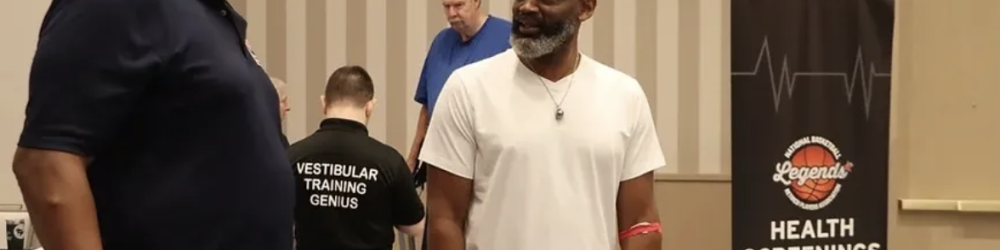
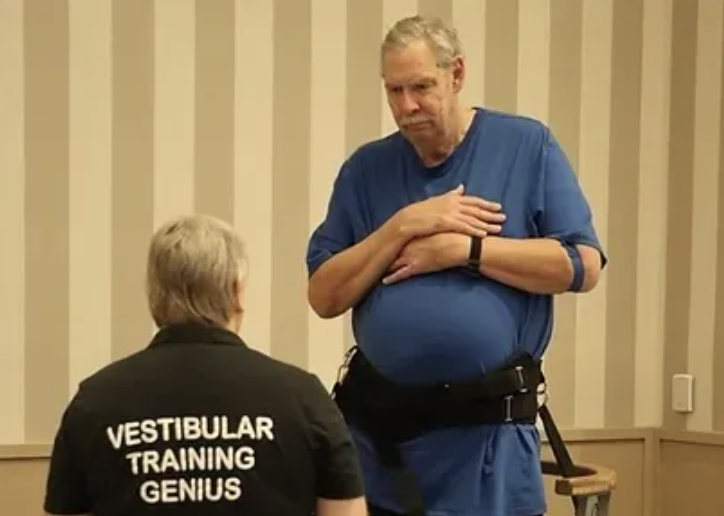
The NBRPA has taken huge strides to assist with the health of former basketball stars, providing truly live-saving health screenings.

By Caleb Nixon (via ClutchPoints)

Former NBA player Steve Hayes, arguably the best basketball player born and raised in Idaho, was ecstatic to join the National Basketball Retired Players Association community for three days at the 2023 Legends Getaway event in Las Vegas before heading off for a vacation in Montana. The 7-foot center, who once stepped foot on the hardwood with players like David Thompson, John Stockton and Karl Malone, spent the days conversing with his former colleagues and learning about new opportunities being offered by the NBRPA.

Former NBA player Steve Hayes, arguably the best basketball player born and raised in Idaho, was ecstatic to join the National Basketball Retired Players Association community for three days at the 2023 Legends Getaway event in Las Vegas before heading off for a vacation in Montana. The 7-foot center, who once stepped foot on the hardwood with players like David Thompson, John Stockton and Karl Malone, spent the days conversing with his former colleagues and learning about new opportunities being offered by the NBRPA.

“After they did the electrocardiogram and echocardiogram,” Hayes said, “I got in to see the cardiologist that was here from Endeavor (Health) and the first thing he says is, ‘Did you know you’re AFib?’”

Atrial fibrillation, or A-Fib, is “an irregular and often very rapid heart rhythm,” according to the Mayo Clinic. Hayes, who had seen a cardiologist in Houston less than eight months earlier, had no idea about his condition. Although somewhat common, the risk of stroke from A-Fib increases with age, according to the Mayo Clinic. Hayes was diagnosed at 67 years old.

“I was shocked and scared,” Hayes said. “I was totally caught off guard and (about) to go up (to Montana) and do things that maybe I shouldn’t have been doing, especially if I hadn’t seen a doctor.”

The NBRPA’s health screenings were introduced nearly a decade ago in partnership with the National Basketball Players Association. The life-saving initiative has served over 1,000 members, according to NBRPA Chief Medical Director Joe Rogowski. Fully funded by the NBRPA, this groundbreaking program requires a substantial investment, with former President and CEO Scott Rochelle, who served until August 2024, identifying the cost as “hundreds of thousands of dollars.”

“Our health screening program is more comprehensive and more detailed and targeted than anything anyone’s doctor is willing to give,” Rochelle said.

The goal is to “normalize wellness” so former players begin to prioritize their health. To enhance that effort, Rochelle and the NBRPA hired Rogowski in 2022. Previously serving as the NBPA’s chief medical officer for a decade, Rogowski aimed to provide both an educational and relaxed environment during the health screenings.

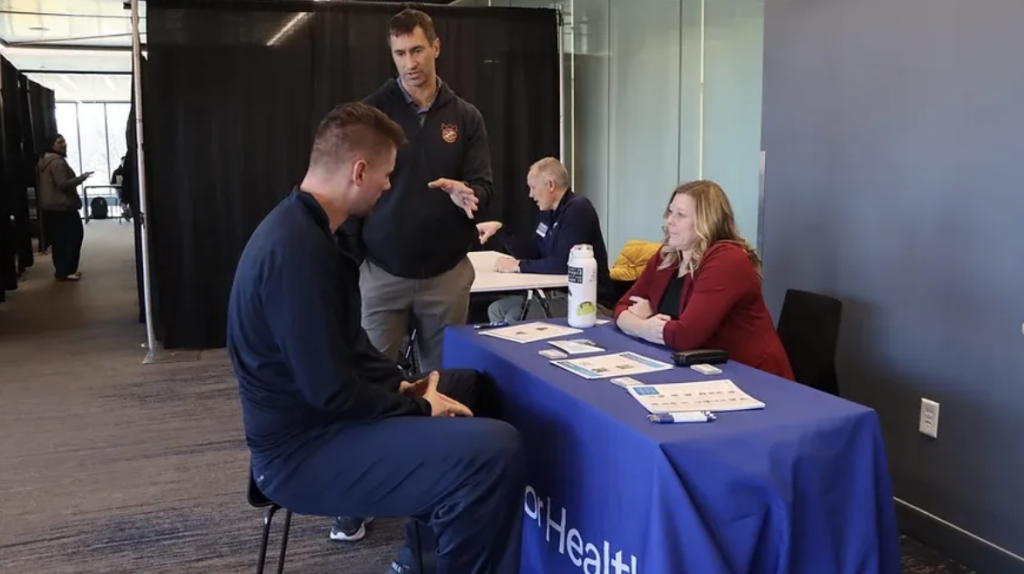
“When they come through our screening, it’s not like your typical doctor’s office where you get an exam and you leave and they call you with the results,” Rogowski said. “This is more of a relaxed environment where they can sit down and ask questions. There’s no time restraints, so they can ask a cardiologist all the questions they want, ask each of the doctors different questions so that they can be proactive about their health and in tune with their bodies.”

Rogowski has worked with NBA players for nearly 20 years. During that time, which included medical positions with the Orlando Magic and Houston Rockets, he noticed that players did not have medical direction once retiring. But by hosting a large number of former players in one setting for medical testing, the process becomes much more “convenient.”

“We provide that setting so that we can do a multitude of diagnostic tests, more on the preventative side, so that we’re proactive for their health and to get them plugged into thinking medically,” he said.

Rogowski estimates the health screenings have saved 10 lives since they were introduced eight years ago. Among the most notable is Nate “Tiny” Archibald, who was unexpectedly diagnosed with amyloidosis in December 2016. The incurable condition required Archibald to have a heart transplant that would ultimately save his life.

Harvey Catchings also experienced a heart problem but could not participate in the health screenings, as they were not yet established. The 11-year NBA veteran, and father of WNBA Hall of Famer Tamika Catchings, recalls his personal cardiologist informing him about a small valve leakage in his early 60s. The doctor’s response, according to Catchings, was “we will keep an eye on it.”

In 2016, Catchings began participating in the health screenings. Just three years later, his heart problem rapidly escalated.Rogowski has worked with NBA players for nearly 20 years. During that time, which included medical positions with the Orlando Magic and Houston Rockets, he noticed that players did not have medical direction once retiring. But by hosting a large number of former players in one setting for medical testing, the process becomes much more “convenient.”

“We provide that setting so that we can do a multitude of diagnostic tests, more on the preventative side, so that we’re proactive for their health and to get them plugged into thinking medically,” he said.

Rogowski estimates the health screenings have saved 10 lives since they were introduced eight years ago. Among the most notable is Nate “Tiny” Archibald, who was unexpectedly diagnosed with amyloidosis in December 2016. The incurable condition required Archibald to have a heart transplant that would ultimately save his life.

Harvey Catchings also experienced a heart problem but could not participate in the health screenings, as they were not yet established. The 11-year NBA veteran, and father of WNBA Hall of Famer Tamika Catchings, recalls his personal cardiologist informing him about a small valve leakage in his early 60s. The doctor’s response, according to Catchings, was “we will keep an eye on it.”

In 2016, Catchings began participating in the health screenings. Just three years later, his heart problem rapidly escalated.

“Fast forward to the age of 67 and I get up one morning and I can’t breathe,” Catchings said. “So, I did what any Black man would do. I got in my car and drove to the hospital.”

When arriving at the hospital, Catchings found out he had a severe valve leakage in his atrium. Returning to the same cardiologist as before, Catchings was told that the valve leakage could be repaired 98% of the time through a routine surgery.

Catchings’ condition was part of that 2%.

“They said, ‘Harvey, if you don’t get a heart transplant, you’re not going to be around by the end of 2019,’” Catchings said. “Now I’m thinking, ‘What the hell? We were talking about a valve repair. How did we get to a heart transplant, and more importantly, how is it that somebody has to die in order for me to live?’”

A heart transplant in September 2019 ultimately saved Catchings’ life and opened his eyes to the importance of being involved and informed about his health condition. He advocates for the NBRPA’s health program because of the level of involvement the members can have and the benefits that they receive from the organization.

“To have this type of group that you can pick up the phone and call to make things happen, they’re probably going to stay on top of things,” Catchings said. “Take advantage of these opportunities and don’t say, ‘I’ll just deal with it later.’ No, if something’s not feeling right, especially as we get older, deal with it right then.”

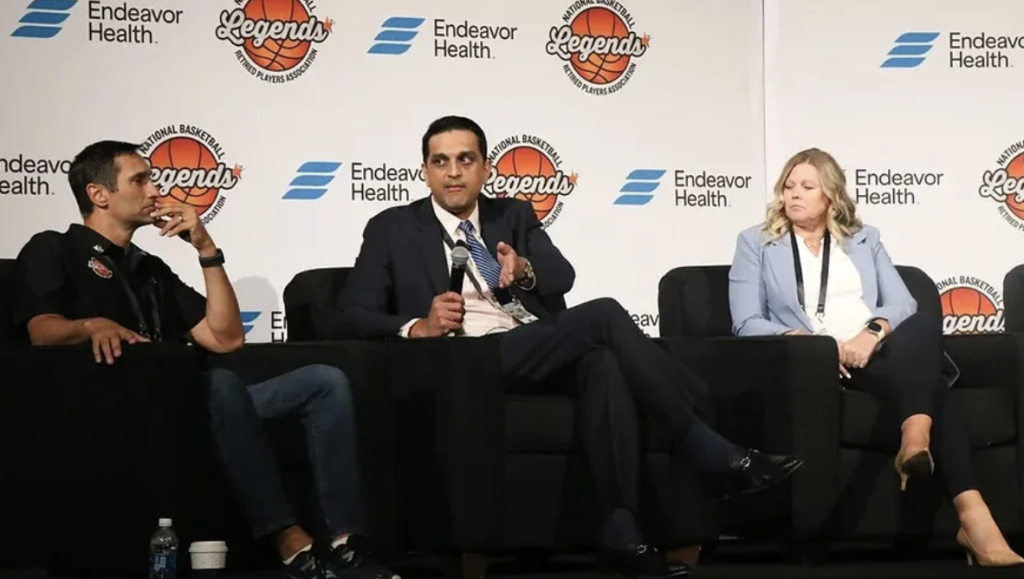
The group that Catchings is talking about is a new partnership with Endeavor Health, which was introduced in October 2023. The Chicago based service provides NBRPA members with a 24/7 phone number that will help them understand their condition in addition to connecting them with specialists that range from orthopedic and physical therapy to neurology and urology.

“When they were playing, they didn't have to think about (health),” said Dr. Ravi Bashyal, co-medical director and head NBRPA hip and knee replacement consultant. “It was done for them and all of a sudden when they retire, they're in an entirely different world where no one is helping them make those decisions.”

His goal in working with the NBRPA is ensuring that former players have that access to the “vetted best in class care” because of how they used their bodies throughout the first half of their lives.“

Their bodies were how they made their living,” Bashyal said. “If they have a problem with their hip or their knee, it's more than just a medical condition. It's almost connected to who they are and their identity. So it's even more important that they're able to get the explanations that they need to be able to wrap their heads around what's going on.”

The NBRPA hosts its health screenings annually at NBA All-Star weekend in February and the Legends Getaway event in July. Additionally, the screenings are in “three to four” different cities per year, according to Rogowski, so members who do not attend its major events still have opportunities to take part in the screenings. One of the organization's goals for the program is expanding the health screenings to 10 cities a year.

This year at the Legends Getaway event, Hayes returned to Las Vegas hoping to hear good news just one year after his A-Fib diagnosis. But when he went to sign up for his screening, no appointments were available.

“A lot of the players came in last night, paid for their own room for one night, just so they could be here this morning to be able to get the health screenings,” Hayes said.

A quick phone call was all it took for the team of doctors to squeeze Hayes into their packed schedule. Meeting with the same cardiologist from a year prior, the two were “overjoyed,” Hayes said, after they learned his heart muscle increased from 40% in 2023 to 60% in 2024, a normal percentage for a 68-year-old.